



The Mezuzah: Identity marker, amulet, or reminder of the Law?
As visitors enter the first room of our museum, they immediately notice, on the right-hand side of the entrance, a peculiar object fixed to the wall. This is the Mezuzah. But what exactly is it? What was its purpose and how was it used? The following article seeks to answer
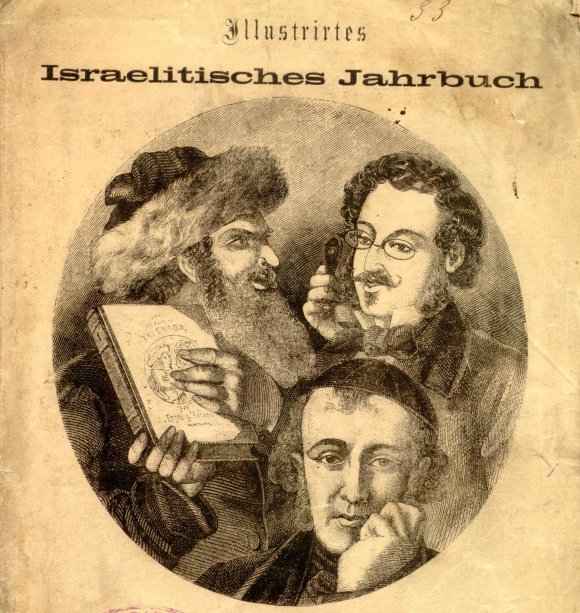
Transylvanian Jewish Emancipation and the schism of the Israelite cult
The emancipation of Transylvanian Jewry was a complex process throughout the 19th century, influenced by political, social and cultural changes in the Austro-Hungarian Empire.
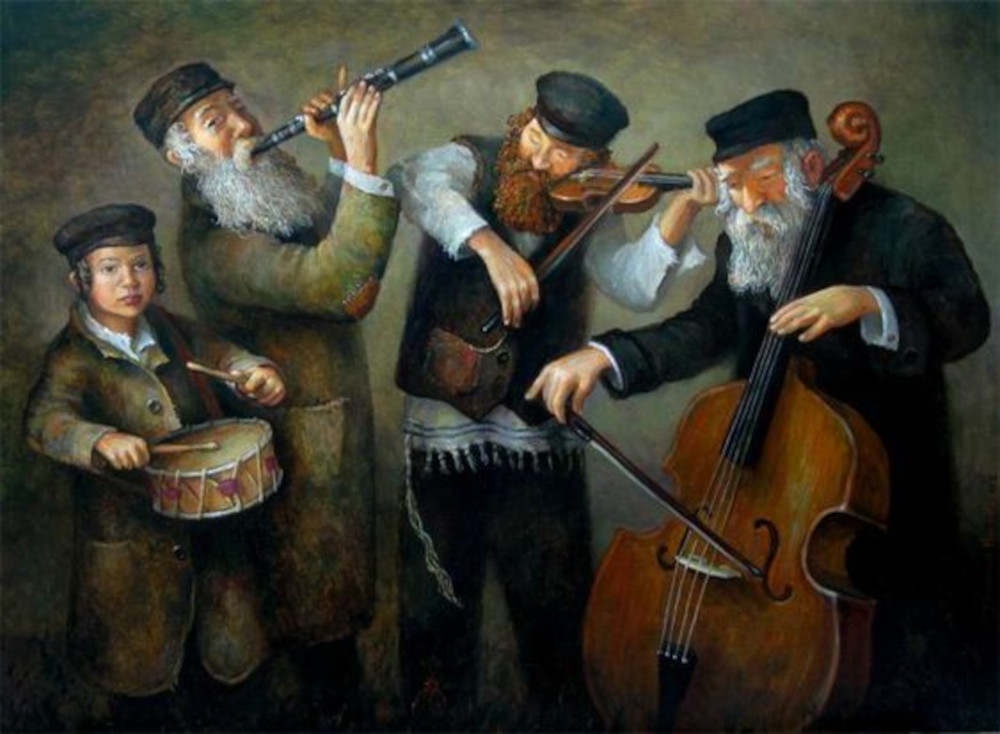
Klezmer music: the Ashkenazi Jewish tradition
Among the most interesting new developments in modern Jewish music is the rediscovery at the end of the 20th century of klezmer music, the popular music of European Jews (Ashkenazi), a musical genre that had 'disappeared' for several decades.
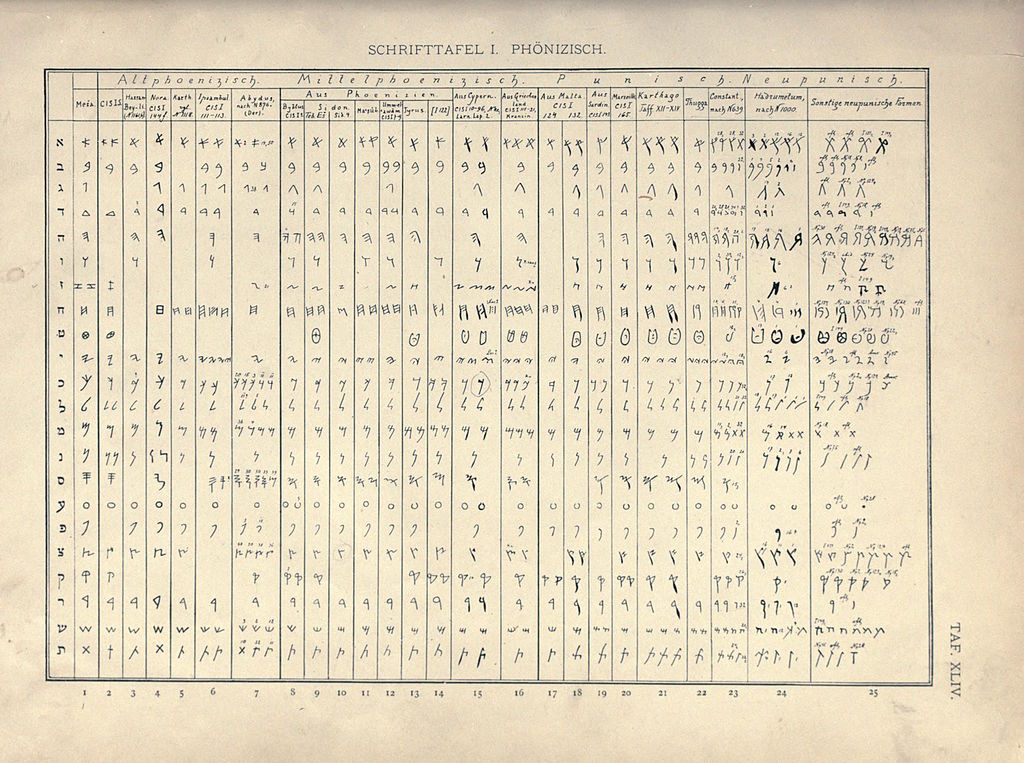
Languages spoken by Jews over the centuries: Hebrew, Aramaic, Yiddish and Ladino
The languages spoken throughout history by Jews around the world is a particular subject in the history of the Jewish people. From the time of the Israelite tribes who settled in Canaan between the 14th and 13th centuries BC to the present day, four major languages can be identified: Hebrew,
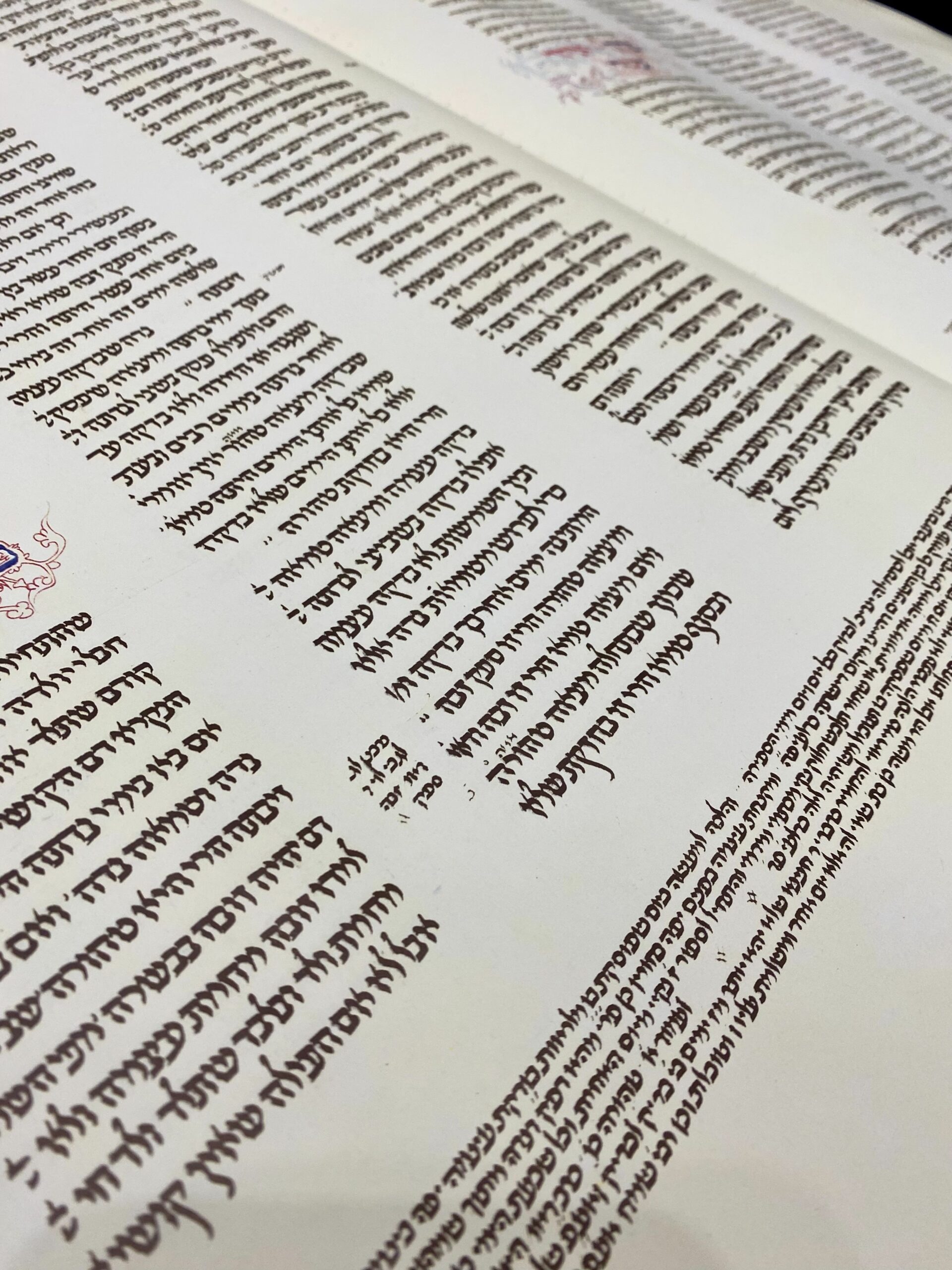
Codex Maimonides and Moses ben Maimon, the Jewish philosopher
Jews regard Codex Maimonides as one of the fundamental texts of Jewish law, especially among Sephardic Jews. Maimonides was the first to index the entire body of the Oral Law, namely the two Talmuds, the various halakhic Midrashim, later works written by the Geonites and even the Kabbalistic texts,
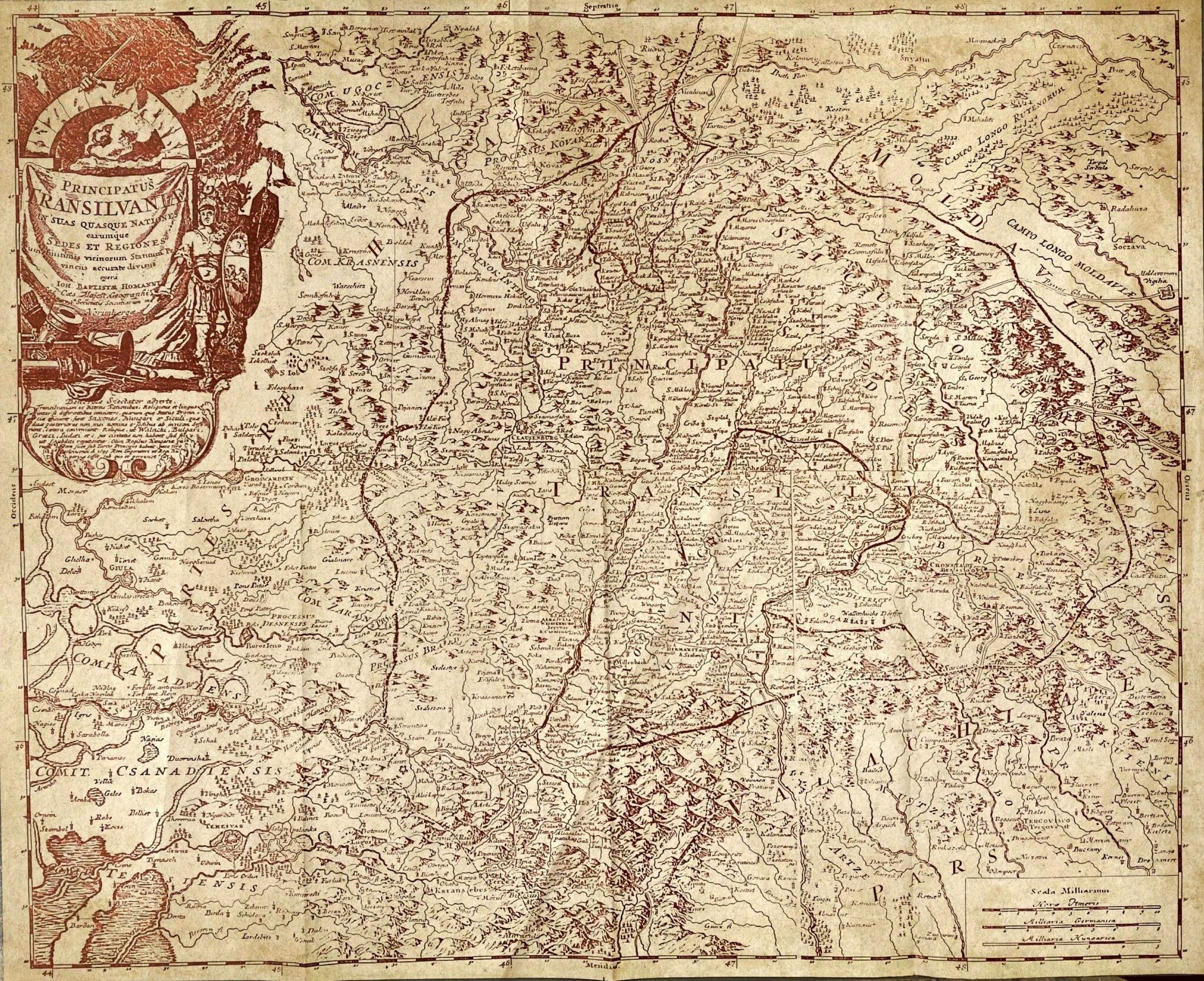
The Jewish Presence in Transylvania from Ancient Times to Modern Era
Transylvania's rich history reveals aspects of the first traces left by various communities. Among these stories is that of the Jewish community, whose presence in the region dates back to ancient times. Our exploration begins in antiquity, when the first Jewish individuals arrived in Transylvania with the Roman legions in